Payments
iGaming Payments in the US: Methods and State Rules
iGamingPayments.AI·18 September 2026·9 min read
Guides, analysis and news on payment infrastructure for iGaming operators.
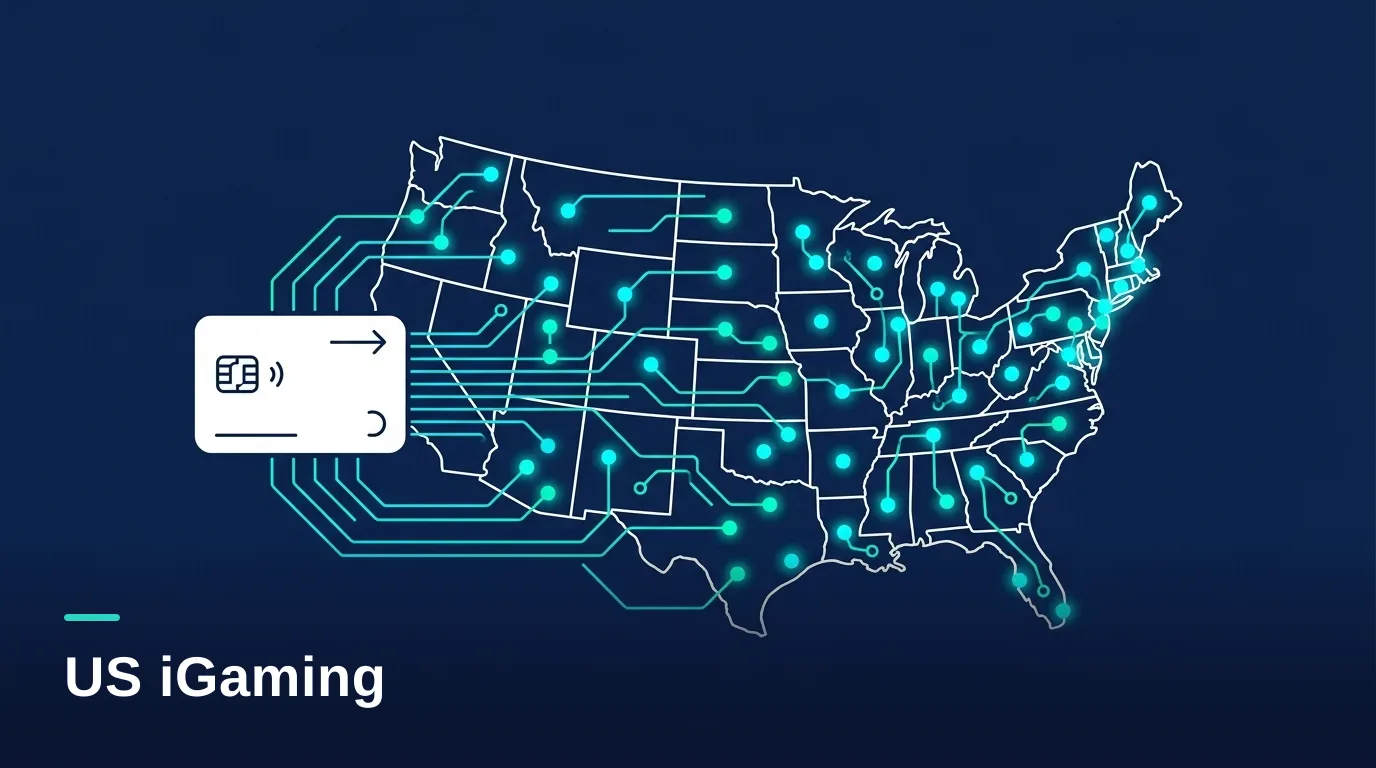
How payments work for licensed US online casino operators: the eight states where iGaming is legal, why UIGEA and old bank policies make card deposits fail, the MCC 7801 code that beats generic 7995, and the methods that dodge the issuer block - VIP Preferred, Play+, PayNearMe and ACH.
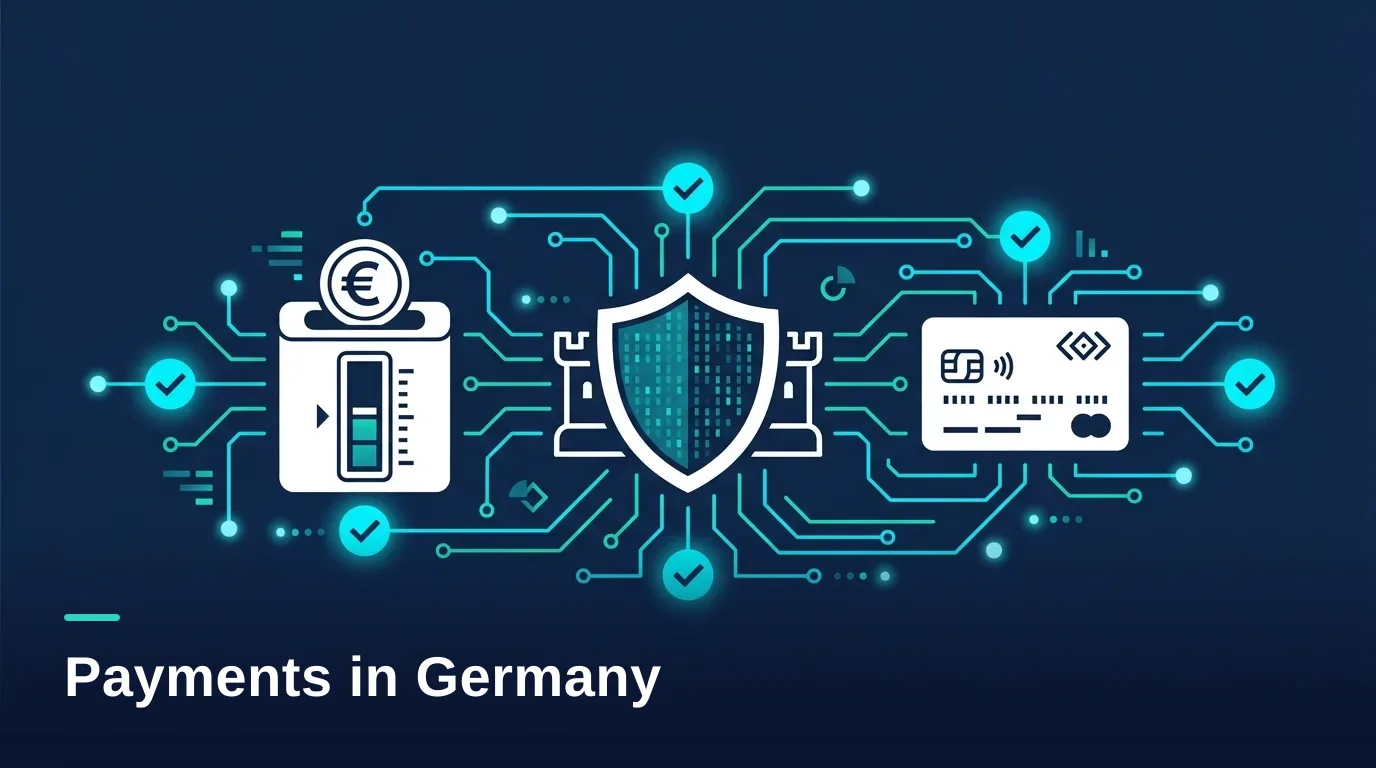
How payments work for licensed iGaming operators in Germany: the €1,000 LUGAS deposit limit enforced across every site, the 5.3% tax on stakes rather than profit, the named-account rule that bars crypto, and the GGL's power to order payment blocking against unlicensed operators.

How iDEAL works for Dutch gambling operators: the bank-app deposit flow that handles ~70% of online payments, why deposits carry no chargebacks, the withdrawal catch, the KSA rules around CRUKS and deposit limits, and the switch to Wero by 2027.
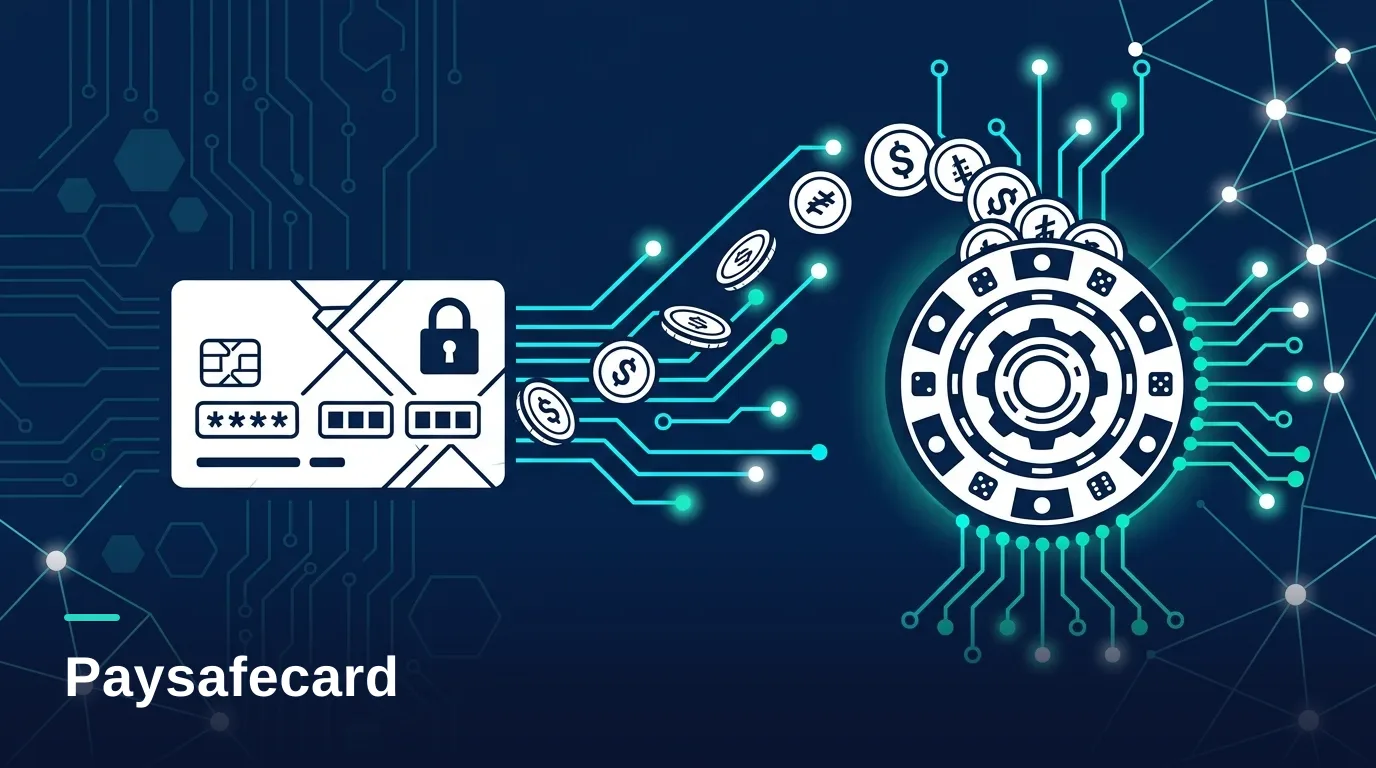
How Paysafecard works for gambling operators: the cash-bought 16-digit PIN voucher, why prepaid deposits carry no chargebacks, the deposit-only payout catch, the UK credit card ban on credit-funded prepaid, and why it never removes KYC.

What a virtual IBAN is, how operators use per-player vIBANs to auto-reconcile bank deposits and collect local currency from one master account, and the AML rules the EBA and the 2027 EU AML Regulation now apply to them.
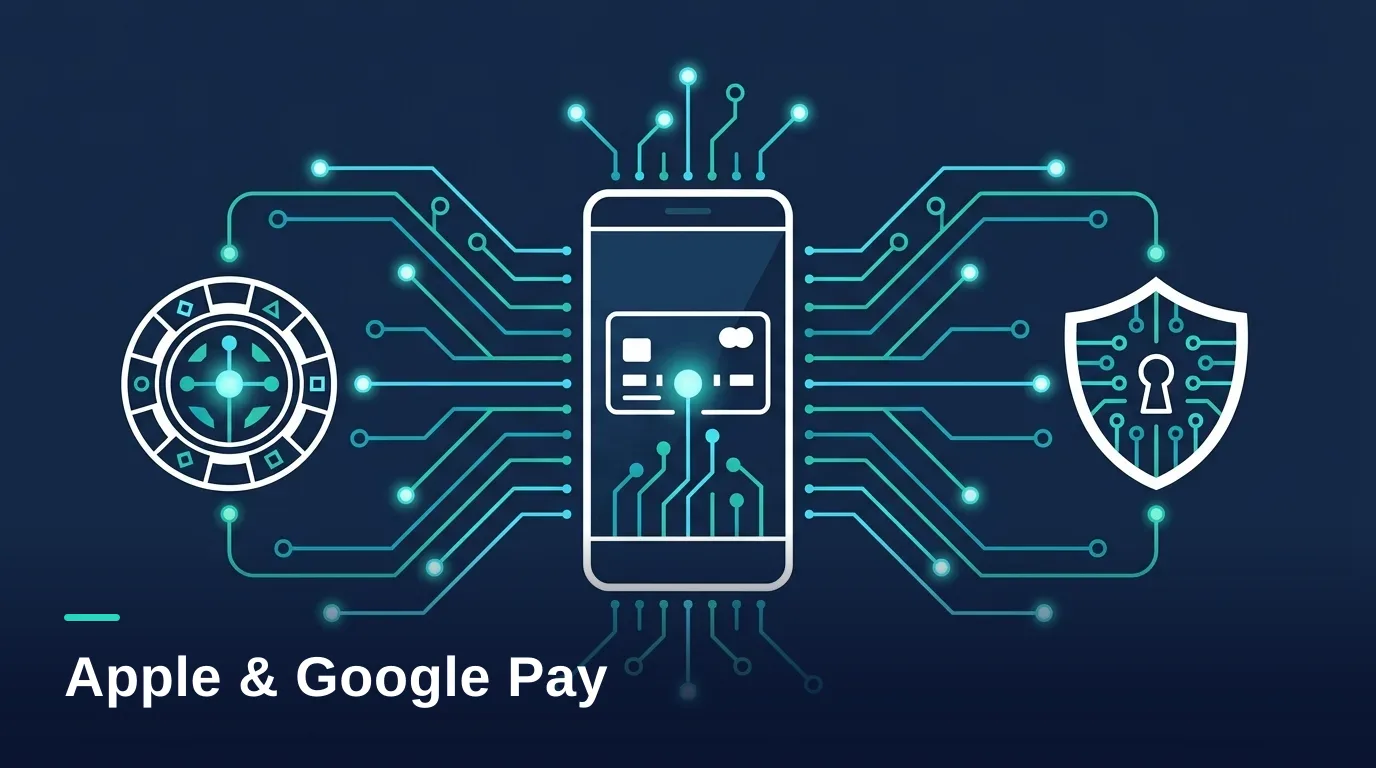
How Apple Pay and Google Pay work for gambling operators: DPAN tokenisation, the built-in biometric SCA that skips 3-D Secure and lifts approval rates, the UK debit-only rule, App Store guideline 5.3, and why neither wallet charges operators extra.
How Trustly Pay N Play merges casino registration, KYC and the first deposit into a single bank login: the open banking flow, why there are no chargebacks, the payout-speed catch, the 2019 SafeEnt licence revocation, and Pay N Play 2.0.
How Skrill and Neteller work for gambling operators: why e-wallets still dominate, the deposit and 3.99% currency conversion fees, same-day payouts, why bonuses exclude them, and the Paysafe and FCA framework behind them.
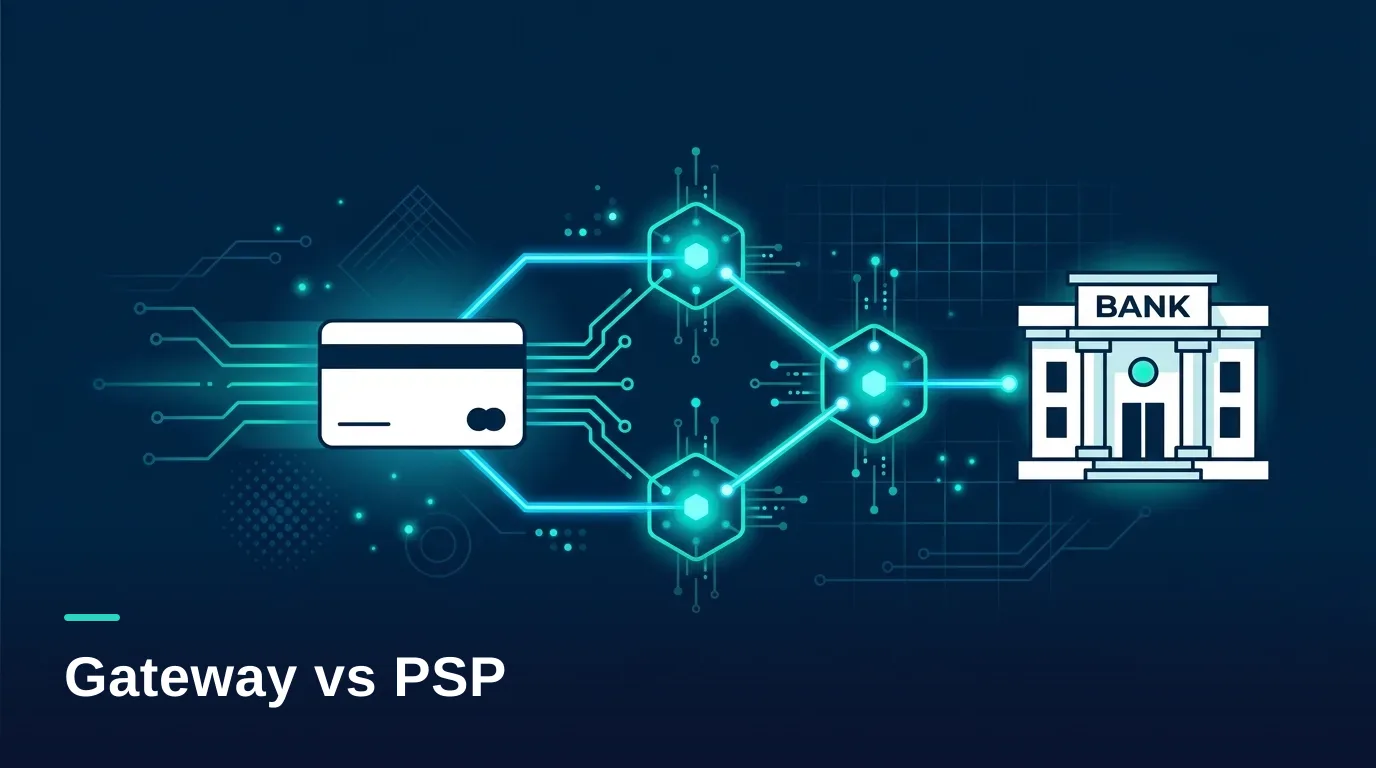
What a payment gateway, PSP and acquirer each do for a gambling operator, how they differ, why one vendor often sells all three at once, and why the acquirer is the piece iGaming operators fight hardest for.

How SEPA and SEPA Instant work for gambling operators: the sub-10-second euro transfer, the 2025 Instant Payments Regulation deadlines, the removed €100,000 cap, why credit transfers carry no chargebacks, and the direct debit trap.

How instant card payouts work for gambling operators: the Original Credit Transaction, Visa Direct and Fast Funds, why the 30-minute rule depends on the issuer, and how push-to-card compares with bank transfers and e-wallets.
Why Interac e-Transfer now carries Canadian iGaming deposits and withdrawals, why Interac Online was retired in 2024, the bank deposit limits that trip players up, and how AGCO's Ontario rules frame it.
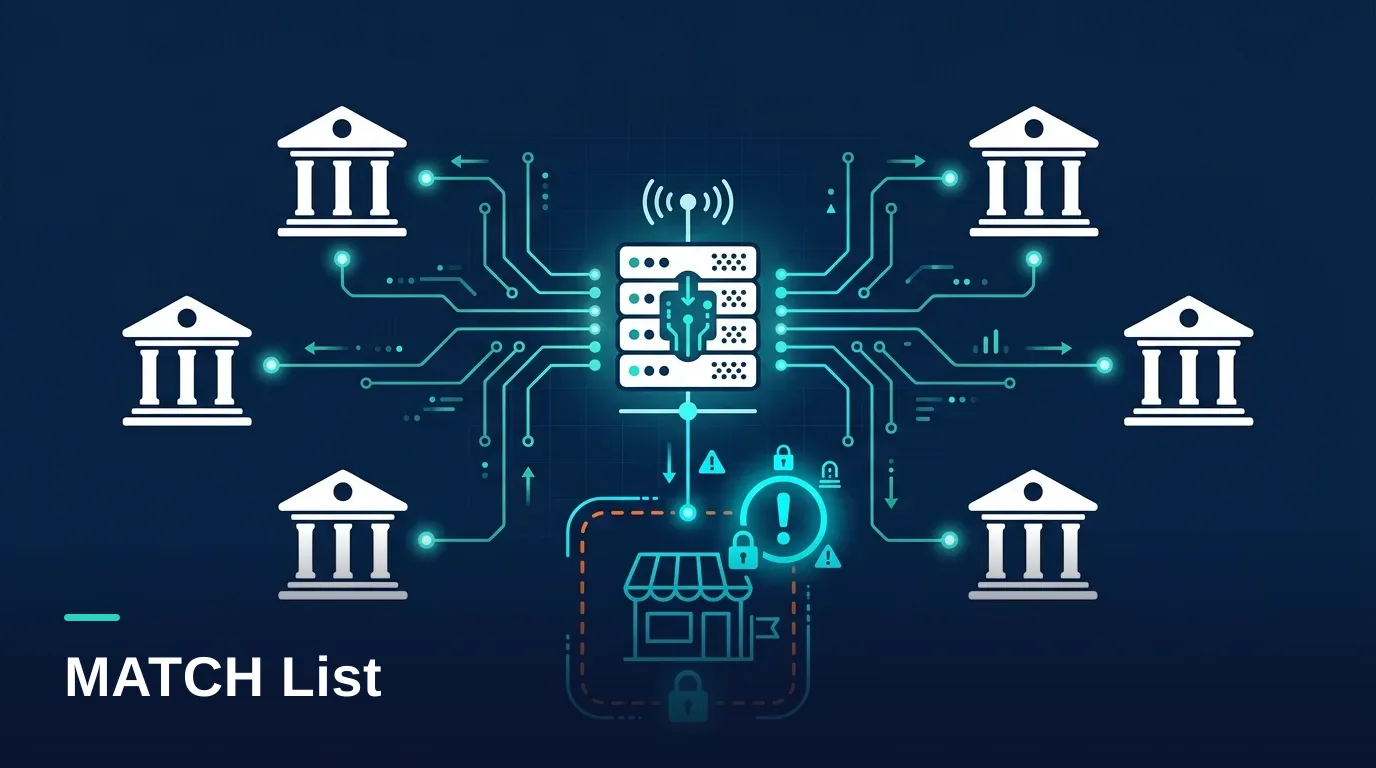
What the Mastercard MATCH list is, all 14 reason codes, the five-year retention rule, how to get off it, and why gambling operators land on it - through excessive chargebacks, laundering and illegal transaction codes.

What VAMP is, how the combined fraud and dispute ratio works, the 2026 merchant and acquirer thresholds, and why iGaming operators are hit hardest - plus the RDR and CE3.0 levers that keep the ratio down.

What a billing descriptor is, the Visa 25-character and Mastercard 22-character limits, the card-not-present contact rule, and why a clear descriptor cuts iGaming chargebacks and friendly fraud.
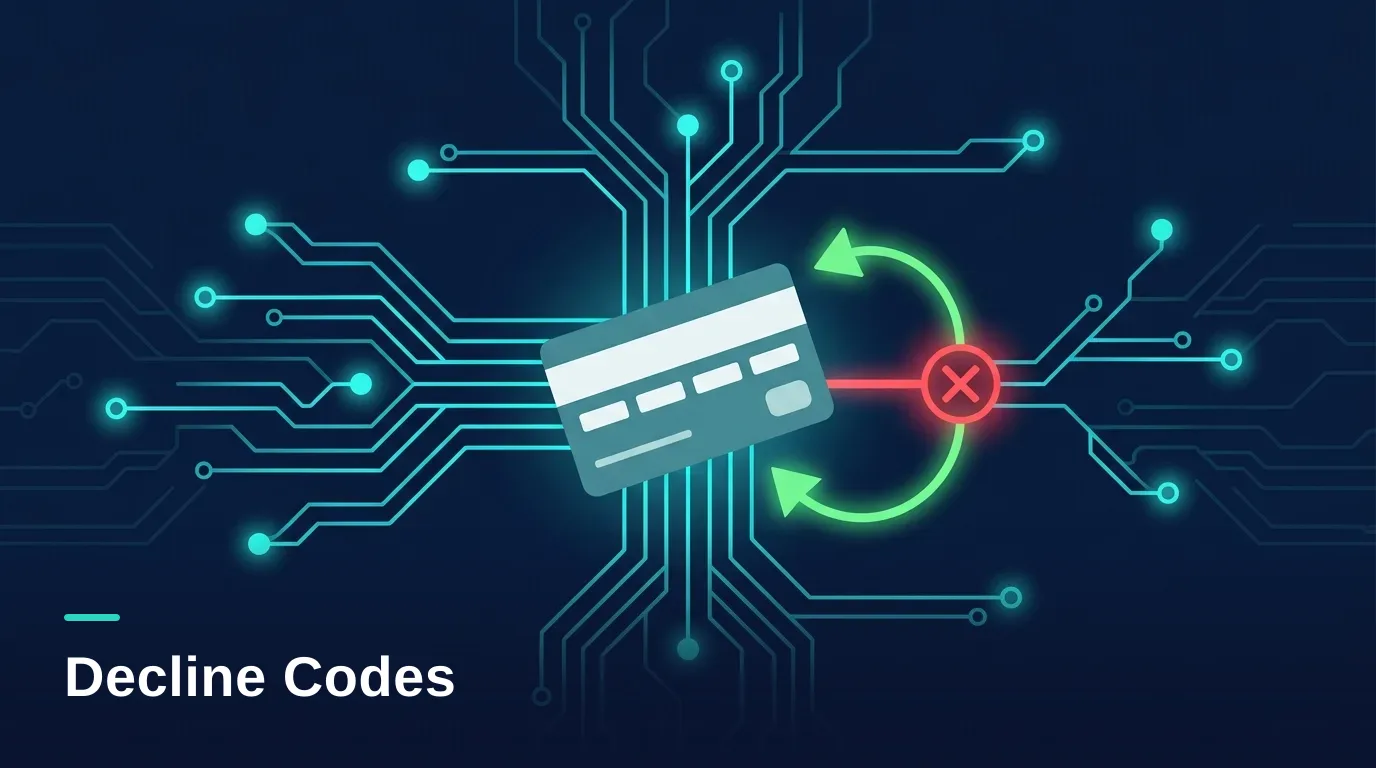
What payment decline codes mean for gambling operators: soft vs hard declines, what codes 05 and 51 mean, Visa's 15-retry rule and Mastercard's advice codes, and how to recover declined deposits.
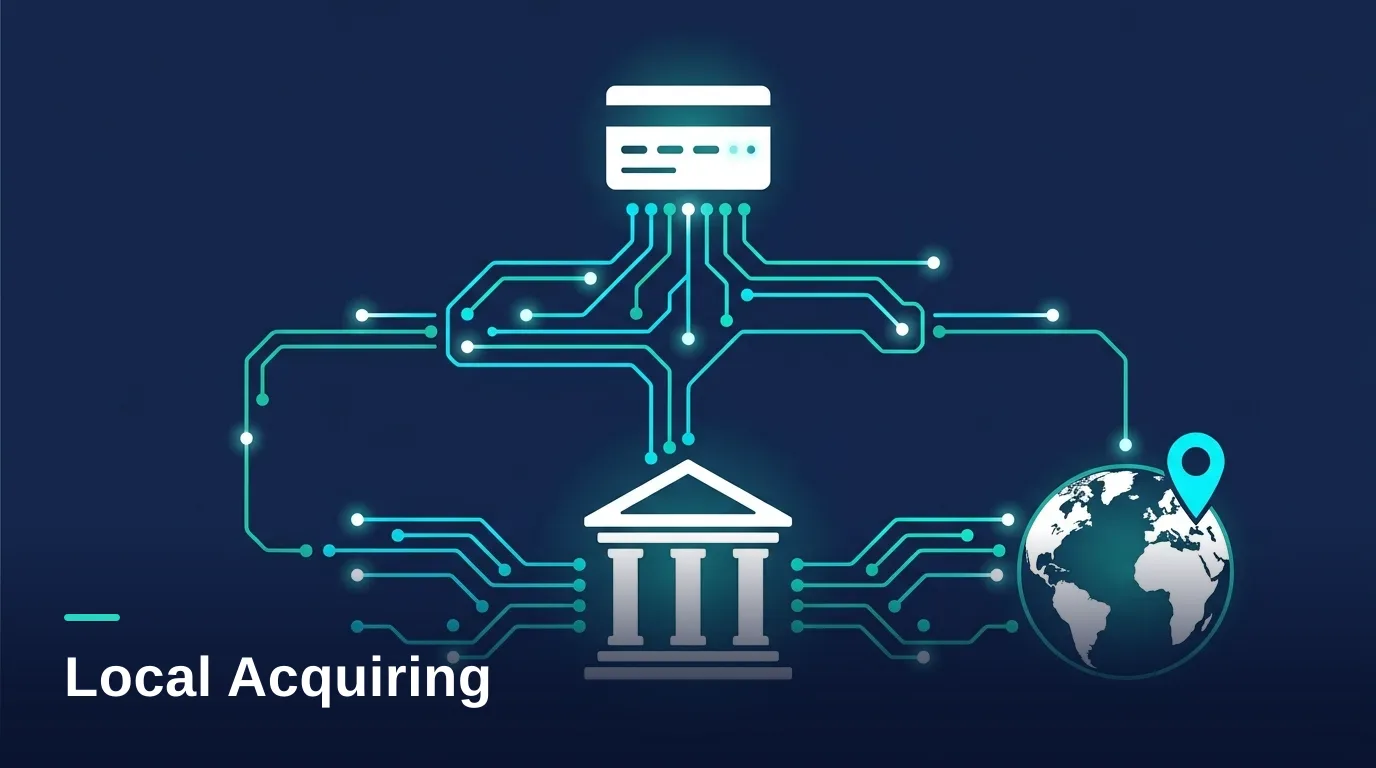
Why processing a card through a domestic acquirer lifts iGaming approval rates: how issuers treat local vs cross-border traffic, the scheme fees local acquiring avoids, and which markets require a local licence to get it.
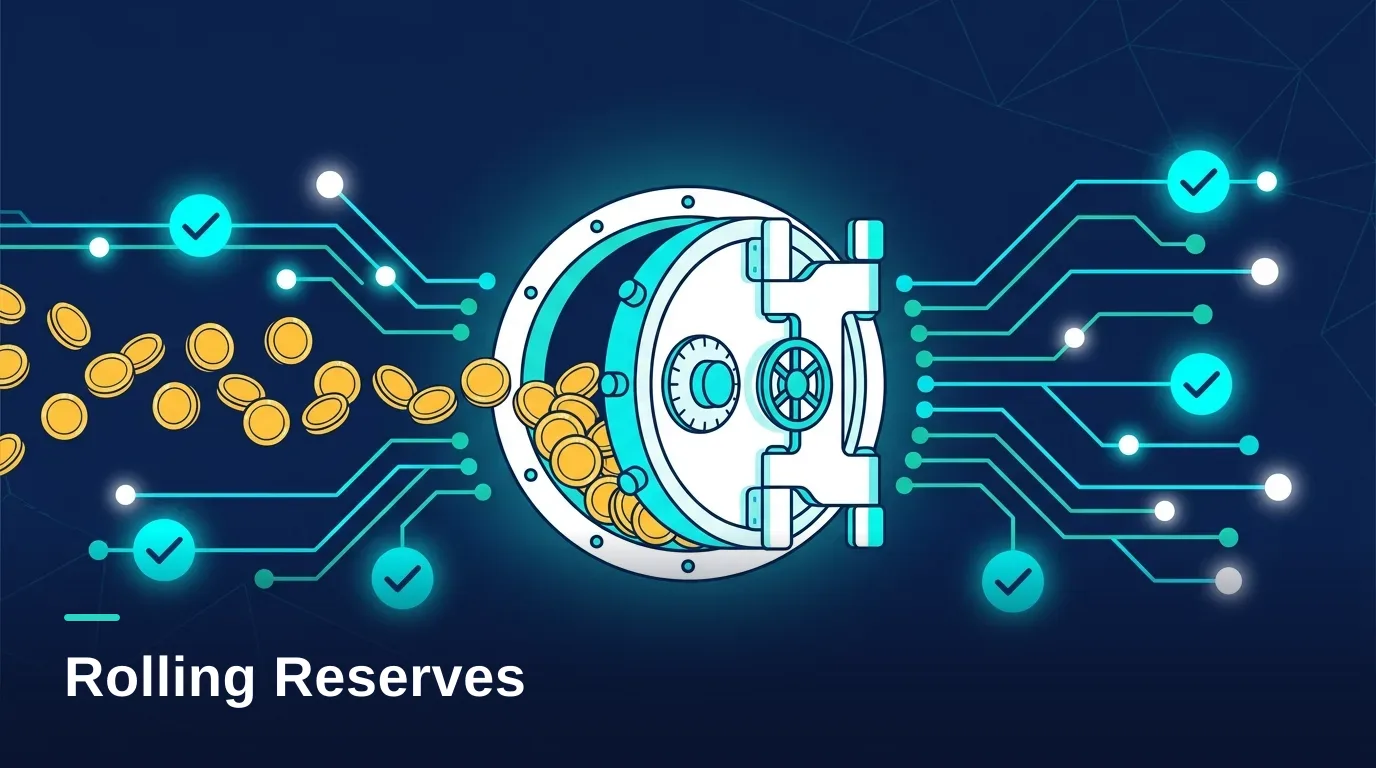
What a rolling reserve is, why gambling acquirers demand one, and how the maths works: the 5-10% held off daily takings, the 90-180 day hold, and how to negotiate it down.
How PCI DSS applies to gambling operators: the four merchant levels, which SAQ you file, the v4.0.1 payment-page rules live since March 2025, and how hosted fields and tokenisation shrink the whole obligation.

What network tokens are, how Visa Token Service and Mastercard MDES work, and why they lift iGaming approval rates: tokens survive card reissues, cut card-not-present fraud and add no player friction.

What an iGaming payment approval rate is, how it's measured, what a good number looks like, and the levers that move it: local acquiring, orchestration, network tokens and cleaner decline handling.

How KYC and AML sit inside the iGaming payment flow: what customer due diligence requires, the EUR 2,000 and USD/EUR 3,000 thresholds, source of funds checks, and what the EU AMLR changes in 2027.

What interchange fees really cost gambling operators: the EU and UK 0.2%/0.3% caps, why there is no gambling exemption, how cross-border cards escape the caps, and how interchange++ pricing exposes the true card bill.

How 3D Secure and Strong Customer Authentication work on iGaming card deposits: the two-factor rule, the exemptions that recover lost conversions, liability shift, and why authentication data moves approval rates.

How crypto payment processing works for gambling operators: stablecoins vs Bitcoin, why there are no chargebacks, custodial vs non-custodial models, and where MiCA, the GENIUS Act and the UK Gambling Commission now stand.

Every gambling operator that accepts cards runs on a high-risk merchant account. Why iGaming is classed high-risk, how rolling reserves and underwriting work, what it costs, and how the MATCH list can shut you out for five years.

A routing layer above several PSPs that picks the best route for each transaction and retries failures elsewhere. How cascading recovers declines, why iGaming needs it, and where the trade-offs bite.

Gambling runs among the highest dispute rates on the card networks, driven by friendly fraud. What a chargeback is, the Visa VAMP and Mastercard ECP thresholds, and the levers that cut the ratio.

Pix carries almost all regulated betting payments in Brazil. The closed-loop CPF rule, the 120-minute payout limit, and which payment methods operators are banned from using.

MCC 7995 decides which acquirers take your business and which issuers approve your transactions. What the gambling code covers, why banks decline it, how the US codes 7800-7802 differ, and what miscoding costs operators.
Withdrawal speed, method coverage, and why the first payout a player makes determines whether they return. The operational mistakes most operators still haven't fixed.
Open banking payments settle instantly, carry no chargebacks, and achieve approval rates above 90%. How the infrastructure works and where it makes sense for gambling operators.
Approval rates, local payment methods, orchestration, and why chasing the cheapest PSP is one of the most expensive mistakes an operator can make.